
Few things derail an RV adventure faster than a dead battery.
Whether you’re boondocking miles from the nearest hookup or pulling into a campground at dusk, losing power brings travel plans to a halt. Interior lights fade, appliances shut down, and simple conveniences disappear.
For many RV owners, battery trouble turns a relaxing trip into a scramble for help.
Industry data shows that nearly 85% of RV batteries fail earlier than expected due to improper care or inconsistent charging habits. Many of those failures happen without warning and far from repair facilities.
This article walks through what RV owners need to know about RV battery maintenance and how consistent care reduces unexpected failures. You’ll learn:
- The main types of RV batteries and how they behave
- Common warning signs of battery trouble
- Routine maintenance steps you can handle yourself
- Storage and seasonal care strategies
- Practical ways to extend battery life
- When calling a mobile RV technician makes sense
Types of RV Batteries
Not all RV batteries behave the same, and understanding the differences helps owners make better maintenance decisions. Most RVs rely on deep-cycle batteries, designed to deliver steady power over long periods rather than short bursts.
Deep-Cycle Batteries
These types of batteries support interior lighting, water pumps, control panels, slide-outs, and refrigeration systems when shore power isn’t available. While these batteries tolerate repeated discharge and recharge cycles, they still wear down faster when owners skip routine RV battery maintenance.
Most RV owners choose between lead-acid and lithium batteries, each with distinct maintenance needs and failure patterns.
Lead-acid Batteries
Lead-acid batteries, including flooded and AGM types, remain widely used due to their lower upfront cost. Flooded batteries require regular water level checks and terminal cleaning. AGM batteries reduce hands-on upkeep but still suffer when charging systems fall out of balance.
Lithium Batteries
Lithium batteries offer longer lifespans, faster charging, and lighter weight. They demand less day-to-day attention but depend on compatible converters and charging profiles. Mismatched equipment, temperature extremes, or improper installation often prevent lithium batteries from charging correctly.
Regardless of battery type, neglect leads to the same result: reduced capacity, unreliable power, and avoidable breakdowns. Understanding how your battery behaves forms the foundation of effective RV battery maintenance.
Common Signs of Battery Trouble
RV batteries rarely fail without warning. Most problems develop gradually, but many owners overlook early symptoms until the battery stops working altogether.
Dim or Flickering Interior Lights
This commonly indicates declining voltage. Technicians frequently encounter RVs where lights fade under battery power due to corroded terminals or aging batteries that no longer deliver consistent output.
Slow Engine Turnover
Sluggish cranking serves as another warning sign, especially in motorhomes. This symptom typically point to batteries that test “charged” but cannot sustain power under load.
Appliances Failing to Power On
This can also signal battery trouble. Water pumps, fans, and slide-outs rely on stable voltage. When these systems behave inconsistently, battery health often sits at the center of the issue.
Unusual Smells, Corrosion, or Heat
A sulfur odor may indicate overcharging or internal damage. Corroded terminals restrict power flow and increase strain. Batteries that feel hot or show swelling signal internal failure and should be retired.
Recognizing these signs early allows RV owners to address problems before they escalate. Regular inspections and consistent RV battery maintenance reduce emergency service calls and improve system reliability.
Routine RV Battery Maintenance Tips
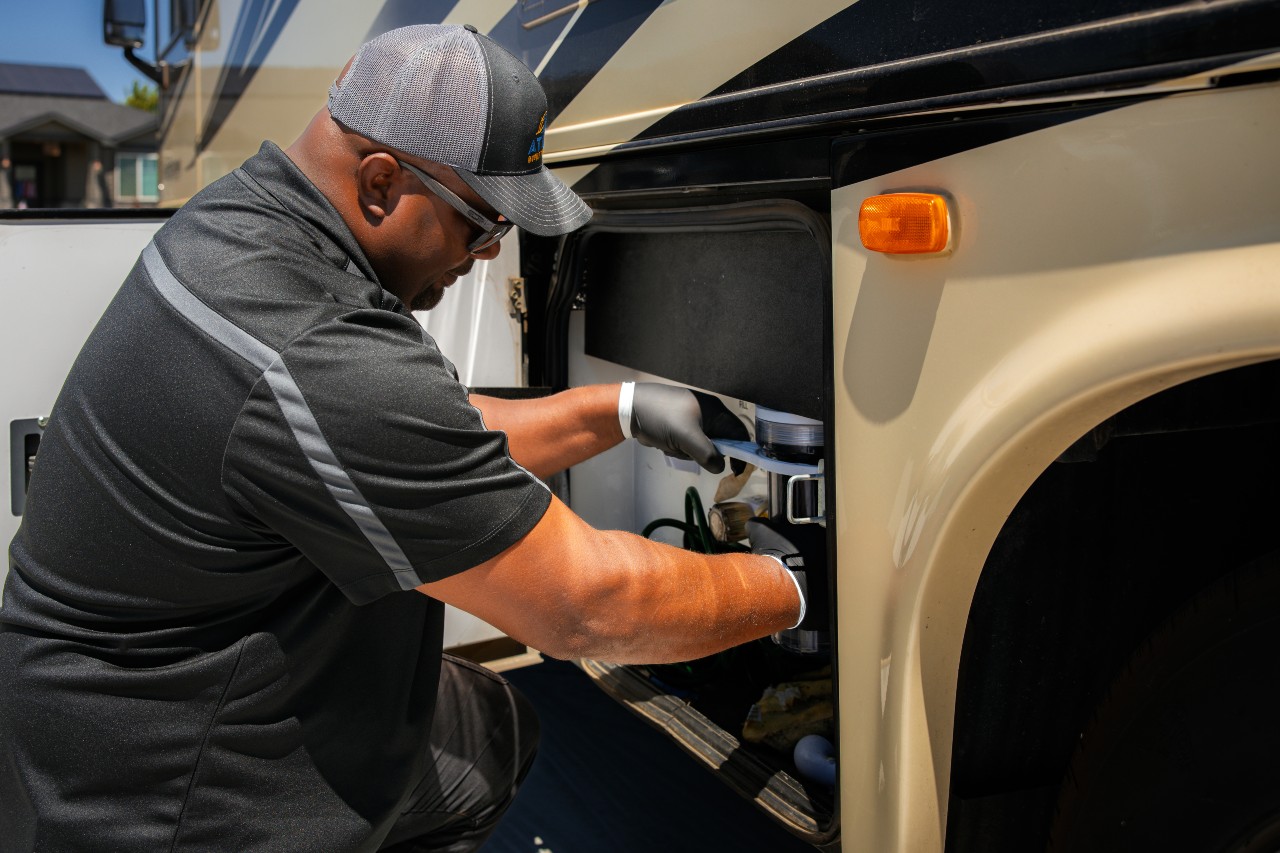
Consistent care keeps RV batteries dependable and extends their service life. Many maintenance tasks take only minutes but significantly reduce the risk of power loss during travel or extended stays.
Check Battery Voltage Regularly
Use a multimeter or onboard monitor to track voltage levels. Sudden drops can reveal charging issues, parasitic drains, or batteries nearing the end of their lifespan. During service visits, load testing helps confirm whether a battery can sustain power under demand.
Clean Corrosion From Terminals
Corrosion interferes with electrical flow and forces batteries to work harder. Disconnect power before cleaning terminals with a wire brush and baking soda solution. Secure connections tightly afterward to prevent repeat buildup.
Inspect and Secure Cable Connections
Loose or damaged cables interrupt power delivery. Technicians frequently find simple connection issues responsible for intermittent electrical problems. Tight, clean connections support steady performance and reduce strain on electrical systems.
Monitor Water Levels in Flooded Lead-acid Batteries
Flooded batteries require periodic electrolyte checks. Low levels expose internal plates, accelerating damage. Use distilled water only and avoid overfilling.
Maintain Proper Charging Habits
Overcharging and deep discharging shorten battery lifespan. Confirm your charger or converter matches your battery type and charging profile. Proper charging remains one of the most important aspects of RV battery maintenance.
Storage and Seasonal Care
Many battery failures begin during inactivity. RVs that sit unused for weeks or months often develop battery issues if owners skip storage preparation.
Charge Batteries Fully Before Storage
Batteries left partially discharged sulfate faster, reducing long-term capacity. Making sure that your batteries are fully charged before storing them will significantly prolong the life of your battery.
Use a Smart Charger or Trickle Charger
Smart chargers maintain charge levels without overcharging. This approach prevents returning to dead or weakened batteries at the start of travel season. This simple step reduces the need for early-season service calls.
Disconnect Batteries or Stop Power Drains
Even when systems appear off, many RVs draw small amounts of power. Disconnecting batteries or using cutoff switches prevents slow discharge during storage. Service technicians routinely trace off-season battery failures back to hidden power draws.
Store Batteries in Stable Temperatures When Possible
Heat accelerates battery wear, while freezing temperatures damage discharged batteries. When practical, storing batteries in controlled conditions reduces stress and degradation.
Seasonal planning supports reliable performance and reduces rushed repairs. Routine RV battery maintenance during downtime prevents surprises later.
How to Extend Battery Life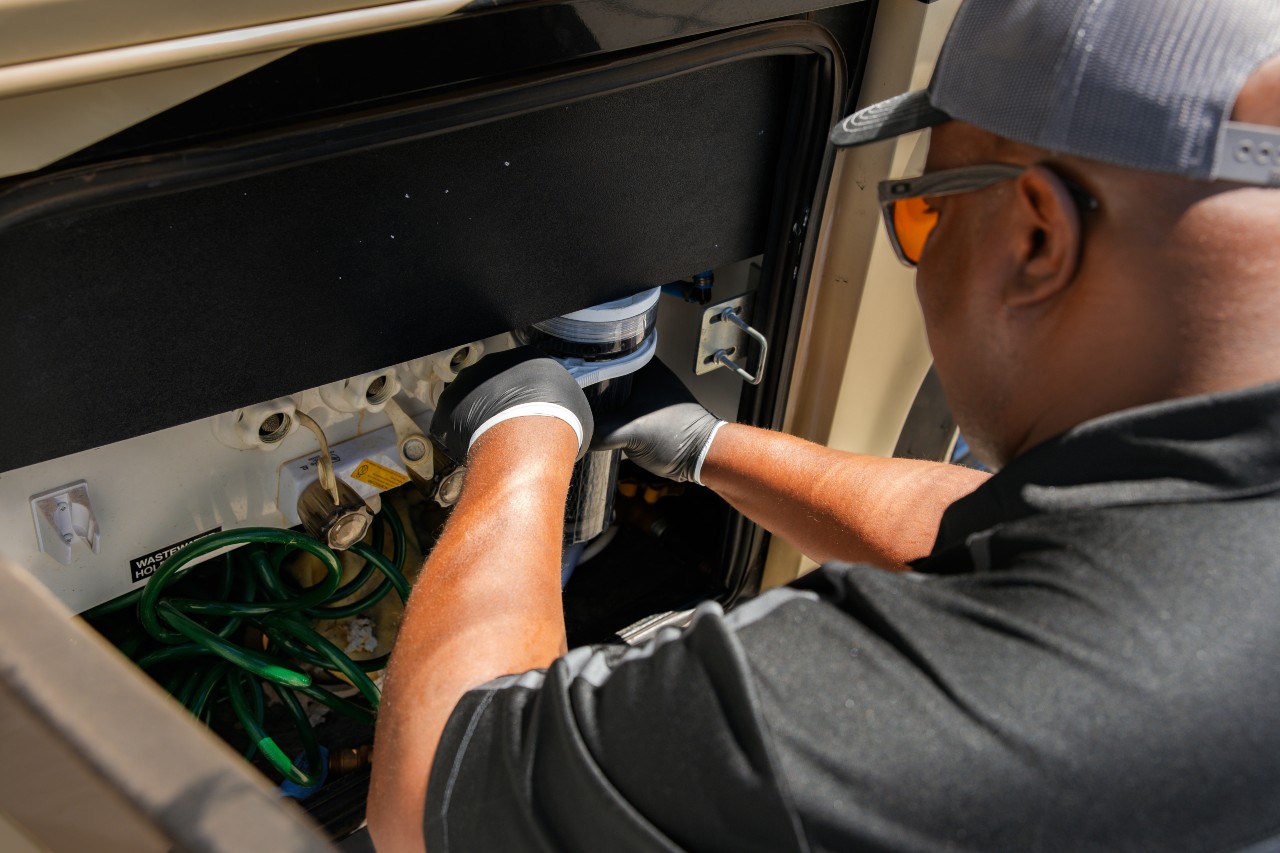
Battery lifespan depends on usage habits as much as age. Owners who manage power carefully experience fewer failures and longer replacement intervals.
These steps work together to support long-term RV battery maintenance and improve system reliability.
1. Reduce Parasitic Power Drains.
Shut down unused electronics and install battery disconnect switches when appropriate. This step prevents constant low-level drain that weakens batteries between trips.
2. Limit Heavy Electrical Loads.
Running multiple high-demand appliances strains batteries, and using shore power when available reduces wear and tear. High-demand usage accelerates battery wear and reduces available capacity.
3. Upgrade Charging Equipment When Needed.
Older converters can charge inefficiently. Modern smart converters deliver stable voltage and improve charging accuracy. This approach lowers stress on the battery bank and improves long-term performance.
4. Add Solar Charging When Appropriate.
Solar systems help keep batteries topped off during extended stays, reducing deep discharges that accelerate aging. Charging systems play a direct role in battery lifespan and reliability.
When to Call a Mobile RV Technician
Even with consistent care, some battery and electrical issues require professional diagnosis.
The Battery Won’t Hold a Charge
Load testing and voltage analysis help determine whether the battery or the charging system is causing the issue. These tests remove guesswork and prevent unnecessary part replacements.
Electrical Problems Keep Returning
Repeated flickering lights or appliance failures commonly point to wiring, converter, or grounding issues beyond basic maintenance. Recurring symptoms usually indicate an underlying system fault.
Visible Damage Appears
Swelling, leaks, cracks, or excessive heat indicate safety risks and require professional handling. Physical changes often develop after prolonged stress or overheating.
Battery Replacement or System Inspection is Needed

Installing incompatible batteries or chargers creates ongoing problems. Mobile technicians confirm proper fit and system compatibility on-site.
Calling a mobile RV technician early often prevents roadside emergencies and secondary damage.
Power You Can Count On, Miles From Anywhere
A dependable RV starts with dependable power. Most battery failures stem from missed maintenance, overlooked warning signs, or systems that no longer align with how an RV is used. Consistent RV battery maintenance puts control back in the hands of the owner and keeps you on the road.
When battery problems move beyond quick fixes, Atlas Mobile RV Service delivers expert help directly to your location. With on-site diagnostics, experienced technicians, and a focus on both prevention and repair, Atlas helps RV owners avoid breakdowns and stay ready for the road ahead.
Need help with a failing RV battery or electrical issue?
Schedule a visit with Atlas Mobile RV Service for fast, reliable, on-site diagnostics and repairs — wherever you’re parked.