
A solid, reliable water heater is one of those RV essentials you never really think about until it goes belly-up (or until your hot showers come to an end).
Of course, RV water heater maintenance helps avoid those cold-water shower surprises, along with extending its lifespan, and catching the small things before they become much bigger.
This maintenance guide will walk you through the ins and outs of how RV water heaters work, offer some simple preventative maintenance tasks, reveal the warning signs you should look out for, and explain when to call in a pro mobile RV service for help.
Overview of RV Water Heaters
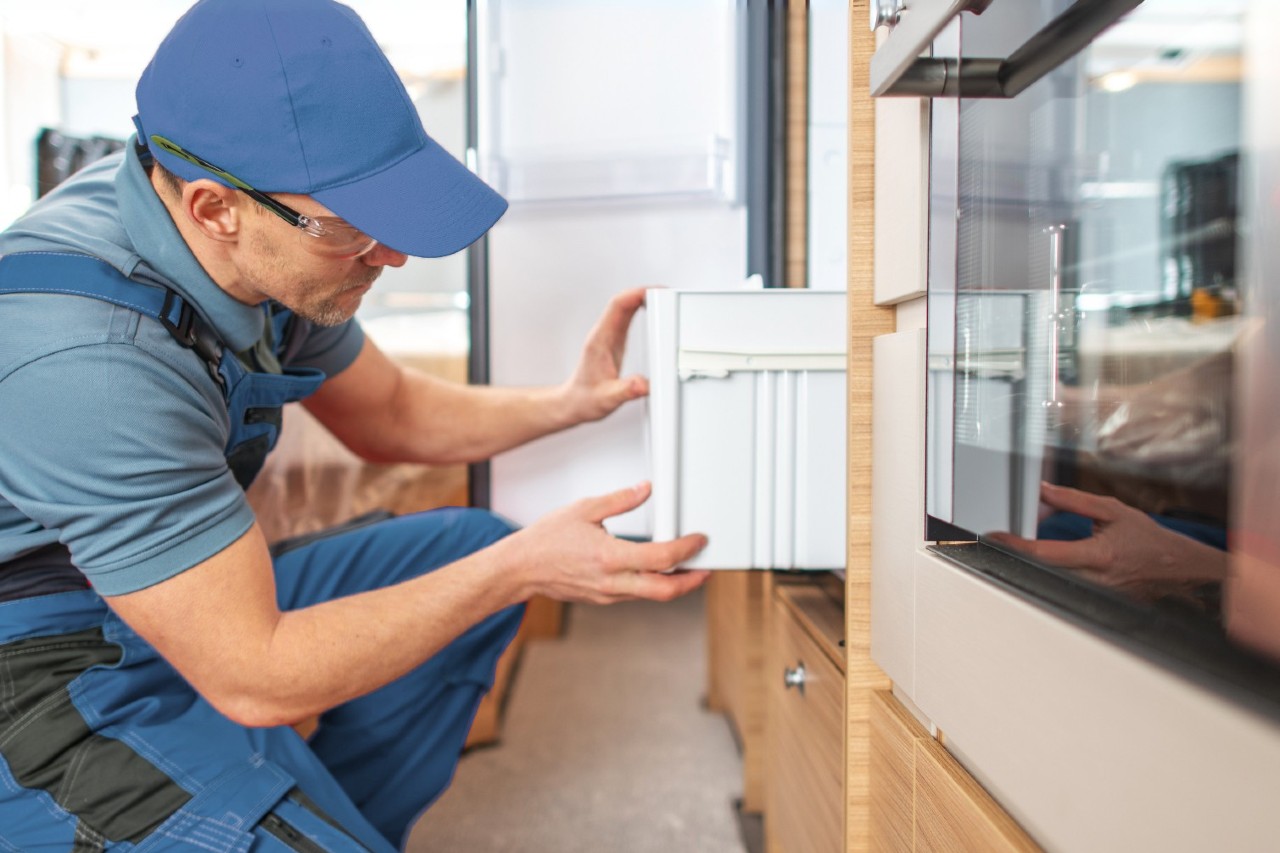
Your RV’s water heater has the same job as a residential water heater: heat and store a limited supply of water so you can shower, wash dishes, and clean up comfortably.
However, unlike residential tanks that hold 40 to 50 gallons, RV water heaters are more compact. By virtue of being on a mobile platform, these water heaters are susceptible to the strains of the RV’s movement, along with major water temperature swings.
In other words, consistent RV water heater maintenance is essential. Most only hold 6 to 12 gallons, operate on propane, electricity, or both, and come in traditional tank styles or tankless on-demand varieties.
Tankless models heat the water as it flows instead of holding onto it, which is a valuable commodity on an RV, where space is limited. However, there are usually more controls to deal with.
Why RV Water Heater Maintenance is Important
Like most things in life, most RV water heaters have a limited life span and are susceptible to leaks, corrosion, and premature water heater tank failures. Proactive RV water heater maintenance helps prevent that and more.
Because RV water heaters rely on propane burners, electrical heating elements, and pressure-rated tanks, proper RV maintenance is also a safety issue.
Regular checks/inspections keep combustion clean, wiring secure, and pressure relief valves in good working order.
Basic RV Water Heater Maintenance Tasks
Fortunately, you don’t have to be a High Energy Solar Spectroscopic Image Engineer to maintain one. Basic RV water heater maintenance is fairly straightforward, and most RV owners can safely handle a few tasks that will keep everything running smoothly.
- Flush the hot water tank to remove sediment buildup that reduces efficiency and can cause some interesting water discolorations or overheating.
- Inspect the anode rod (in residential-style tanks) or the heating element, where applicable, replacing any worn components before they quit on you.
- Check the pressure relief valve by briefly lifting the lever to make sure it opens and reseats like it’s supposed to. This confirms if can release excess pressure.
- Inspect the fittings, connections, and seals around the exterior door and plumbing lines for any signs of leaks or moisture.
- Verify proper operation on both propane and electric modes (if applicable). Check for a clean flame with gas or normal cycling for electric during routine RV maintenance checks.
Before the RV is parked in storage for the winter, drain the water tank and bypass it. This is the time to consider hitting up Google with an “RV maintenance near me” query if it’s your first winterization or you just prefer a professional.
Common Early Warning Signs of Water Heater Issues
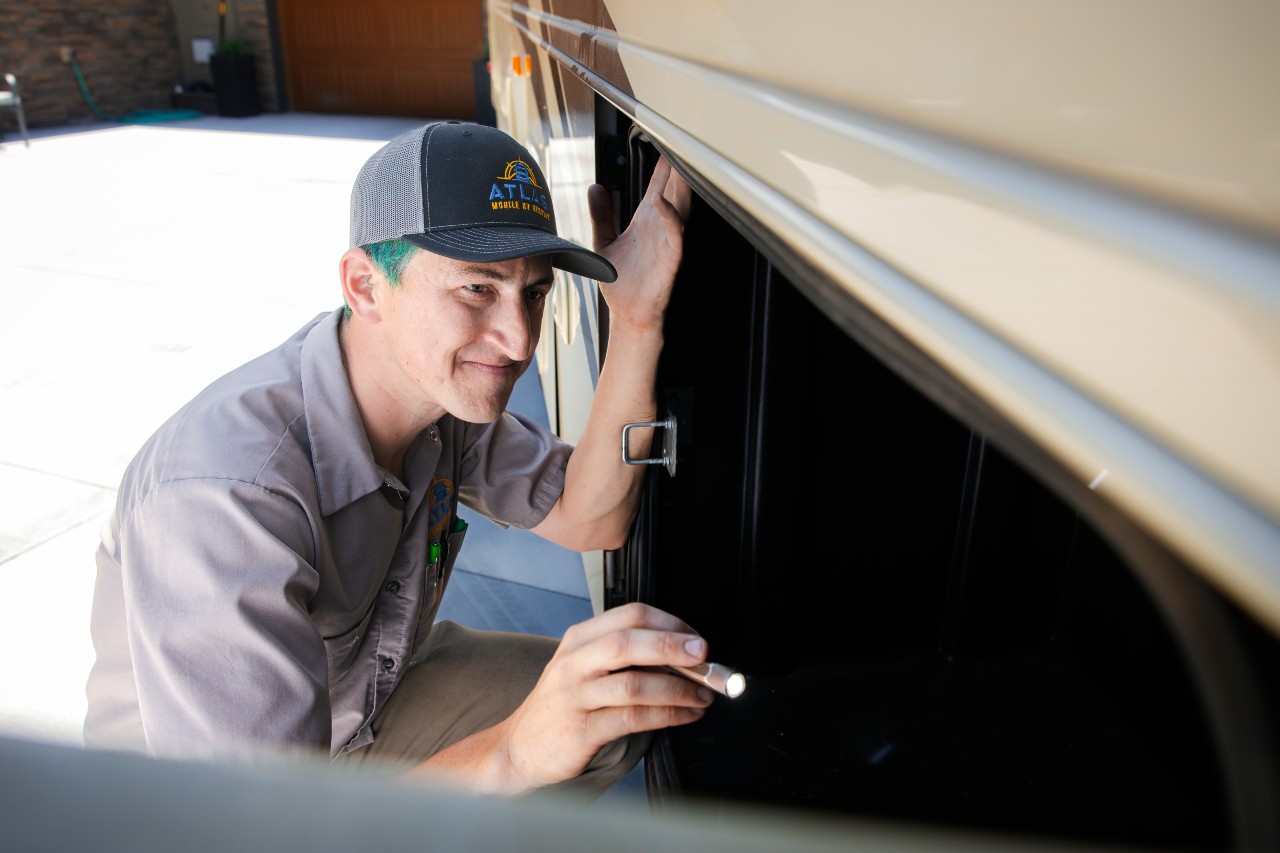
As they are common, catching them early is a huge benefit, believe it or not, even if you have to get your hands dirty with a little proactive repair or maintenance. These small, early signs or changes are indicative of much bigger problems down the road, more expensive as well.
- No hot water or water that swings from hot to cold and back again unexpectedly
- Metallic, sulfur-like smells, perhaps as bad as a rotten egg, are often tied to anode rod issues
- Discolored or rusty water from the hot side indicates internal tank corrosion or heavy sediment in the tank
- Leaks, dampness, staining, or swelling around the water heater compartment,
- Popping, banging, or rumbling noises as hardened sediment moves around in the tank
- Pilot light won’t stay lit, repeated ignition failures, or excessive soot around the burner area
- A loose, damaged, or corroded drain plug can cause slow leaks, mineral buildup around the opening, or difficulty fully draining
- Tripped breakers or blown fuses when running on electric mode
If several of these happen at the same time, or back-to-back, it’s often time to look beyond some good old-fashioned DIY work and look for a professional service.
Common Causes of RV Water Heater Problems
Most failures are simple enough to trace back and find the root cause, something that probably could have been prevented or significantly minimized with some regular RV water heater maintenance.
- Sediment and calcium buildup from hard water, which insulates the heating surface, lowers efficiency and stresses the tank
- Corrosion from neglected anode rods in steel tanks eventually weakens the tank and fittings
- Faulty thermostats or heating elements prevent proper temperature controls
- Propane ignition issues are caused by dirty burner tubes, misaligned electrodes, or low gas pressure
- Pressure release valves that stick or seep get that way with infrequent use or failure to replace
- Damage potential from improper winterization, like freezing water in the tank, busted lines, or cracked fittings that cause slow leaks later
Routine maintenance goes a long way toward keeping most water heaters operating efficiently and reliably. Catching these issues early can help extend the life of your RV water heater and avoid costly repairs that tend to show up at the worst possible time.
DIY vs. Professional RV Hot Water Heater Maintenance Service
Most RVers in the camping world are comfortable handling simple RV water heater maintenance tasks, especially issues that are repetitive and necessary, like flushing the hot water heater tank annually or checking the anode rod.
However, there are times when it simply makes more sense to contact a professional RV maintenance service, especially if you think you may do more harm than good.
This is especially true for anything involving gas pressure, complex electrical diagnostics, control boards, or breakers tripping repeatedly. Professional hands avoid the safety risks and further damage to your RV appliances or you.
Professional inspections also tend to catch other issues before the symptoms crop up, like weak flame patterns and wire connections, slow leaks, etc. Building the potential professional service into your RV maintenance plan is often cheaper than replacing the water heater a few years early.
Advantages of Mobile RV Service
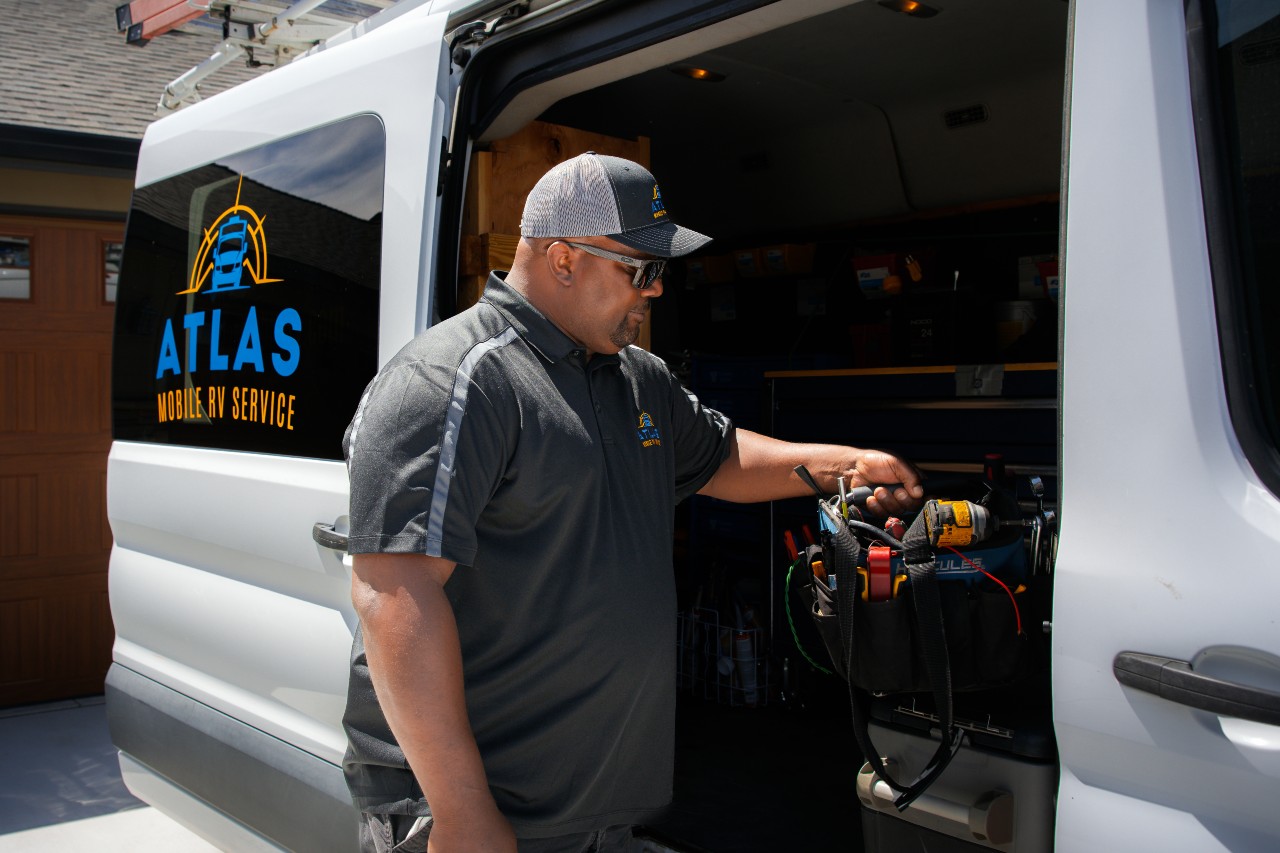
One of the most obvious advantages of hiring a mobile service is convenience. You don’t have to drag your RV clear across town, drop it off, come back later, or sit in an uncomfortable lobby chair while you wait.
That’s enough value to make most people happy right off the bat. However, the advantages of a mobile RV service include more than just convenience.
Reduced Downtime and Towing Costs
Towing isn’t cheap, especially if you’re rocking a nearly 45’ Entegra Cornerstone, or something along those lines. You can skip the tow arrangements, waiting lines, and long queues. Many mobile RV services offer same-day or next-day service. Enjoy the comfort of your RV while you wait.
Ideal for Routine RV Maintenance and Troubleshooting
Service generally comes in the form of a small team or a solo tech, which means you get a more personalized experience. It’s much easier to understand the ins and outs of routine RV maintenance and troubleshooting issues, which a mobile RV service is great for.
A Mobile RV Service Helps Owners Stay Road-Ready
Planning is everything, but it’s understandable when things just don’t go your way, even if you dotted all the “i”s and crossed all the “t”s. A mobile RV service can step into that frustrating gap and help you keep your RV ready for the road year-round, even if you’re stuck in a camping spot for a day or two.
That’s what camping is all about.
RV Life: Preventative Maintenance Tips for Long-Term Reliability
A little planning goes a long way, especially with RV water heater maintenance. Flush annually and inspect if you camp regularly, and do a quick check of the exterior compartment every month or so.
- Follow a simple inspection schedule at the start and end of each season
- Conduct a proper winterization each season, draining and bypassing as recommended, using the right antifreeze in the plumbing system, and flushing thoroughly each spring
- Keep maintenance records so you know when the anode rod, element, or valves were last serviced
- Address any small drips, smells, or noises immediately, rather than waiting
Treat RV maintenance like routine maintenance on a vehicle or components/appliances in a residential home. A little bit of your time now will keep your trips enjoyable and mostly work-free in the long run.
Stay Road-Ready with Atlas Mobile RV Service
One of the easiest ways to protect your comfort and peace of mind is to stay on top of your RV water heater maintenance. Sure, several elements in an RV require periodic but steady maintenance, but your water heater delivers reliable hot water.
You want it to run efficiently and remain reliable. If you are in Tri-Cities, Yakima, Walla Walla, or the surrounding communities and want expert help in keeping your hot water system in top shape, convenient RV maintenance is a phone call away. Schedule a mobile RV service water heater inspection with Atlas Mobile RV Service to catch issues early, complete your routine RV maintenance, and make sure your hot water is ready whenever you are.