
You open the cabinet under the kitchen sink and notice a small puddle. Or you turn on the tap at your campsite and the water pump cycles but nothing comes out. Neither situation is a crisis yet. Both are signals worth taking seriously.
RV plumbing is more involved than a residential system. Your rig manages three separate water systems: fresh water coming in, gray water draining from sinks and the shower, and black water from the toilet. Add a 12-volt water pump, a water heater with its own bypass valve, and a network of fittings running through walls and floors, and you have a system that rewards regular attention. Most plumbing problems that sideline an RV start small and become expensive when they go unaddressed.
This article covers the routine maintenance habits that prevent most issues, and the clear signs that a problem has moved beyond a DIY fix and into certified technician territory.
In this post, you will learn:
- How your RV’s three water systems work together
- The maintenance tasks you can handle on a regular schedule
- The specific signs that call for professional RV plumbing repair
- How Atlas Mobile RV Service brings on-site expertise directly to you in the Tri-Cities and surrounding areas
Understanding Your RV Plumbing System
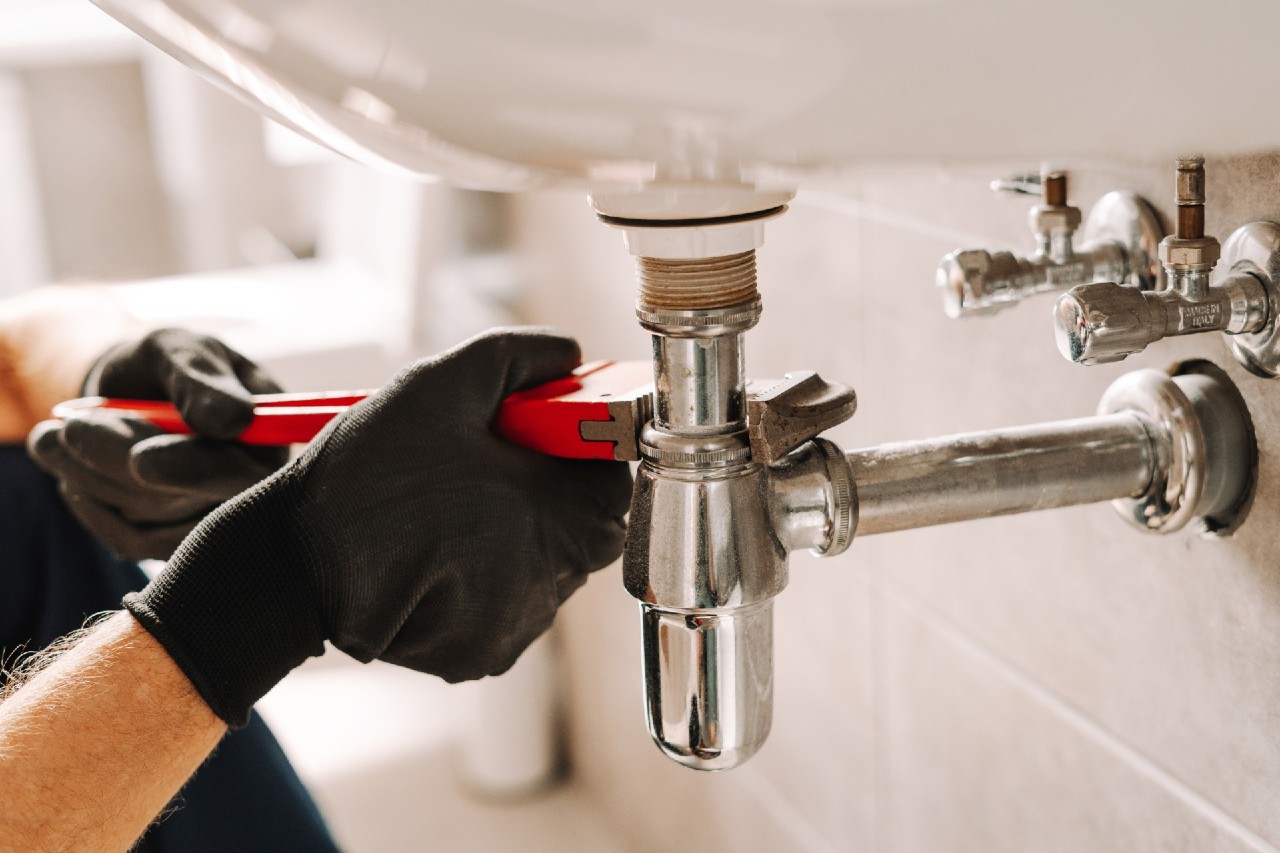
Your fresh water system draws from either a city hookup at your campsite or your onboard tank. When you are not connected to shore water, a 12-volt demand pump pulls water from the tank whenever you open a faucet or flush the toilet. That pump is doing real work every trip, and it is worth knowing where it is and what it sounds like when it is running normally.
Gray water collects in a holding tank beneath the rig. It comes from your sinks and shower. Black water, from the toilet, goes into a separate tank and requires more careful handling during dumping and maintenance. Keeping these two systems clearly separated in your mind matters when you are troubleshooting a drain issue or planning winterization.
Most RVs use a 6 to 12 gallon water heater running on propane, electricity, or a combination of both. Tankless, on-demand models are increasingly common in newer rigs. They heat water as it flows and have more controls than a standard tank model. Knowing which type you have is the starting point for any water heater maintenance.
RV Plumbing Maintenance Tips You Can Handle
Consistent upkeep is what keeps small issues from becoming costly RV plumbing repairs. These are practical habits, not complicated procedures.
Inspect visible connections and fittings regularly. Check under sinks, around the water heater compartment, and at any exterior plumbing access points. Look for water stains, swelling around fittings, or any sign of moisture that was not there before. Catching a slow seep early is far less disruptive than finding water damage later.
Flush the hot water tank annually. Sediment builds up inside the tank over time and causes discoloration, unusual noises, and reduced heating efficiency. An annual flush clears that buildup and extends the life of the tank. If you notice persistent discoloration after flushing, that is a sign to call a technician.
Test the pressure relief valve. Briefly lift the lever on the pressure relief valve to confirm it opens and reseats cleanly. If it sticks, seeps after you release it, or does not open at all, replace it. This is a straightforward part swap that protects the tank from overpressure.
Reseal water line penetrations. Where water lines pass through walls or floors, the sealant around those penetrations can dry and crack over time. Inspect these points and apply fresh RV-approved sealant where needed.
Prepare the water heater for winter storage. Before storing your rig, drain the water heater tank completely and set the bypass valve to its bypass position. This keeps antifreeze out of the tank during winterization and prevents freeze damage to a tank left with standing water inside.
Winterize the full plumbing system. Open and flush all water lines, including any outdoor shower connections. Drain the fresh water tank and both holding tanks. Then add RV-safe antifreeze according to your model’s specifications, confirming that bypass valves are set correctly before you introduce antifreeze to the system. In the Tri-Cities area, first frosts can arrive as early as October, so scheduling this before late September keeps you ahead of the cold.
Signs Your RV Plumbing Needs Professional Attention
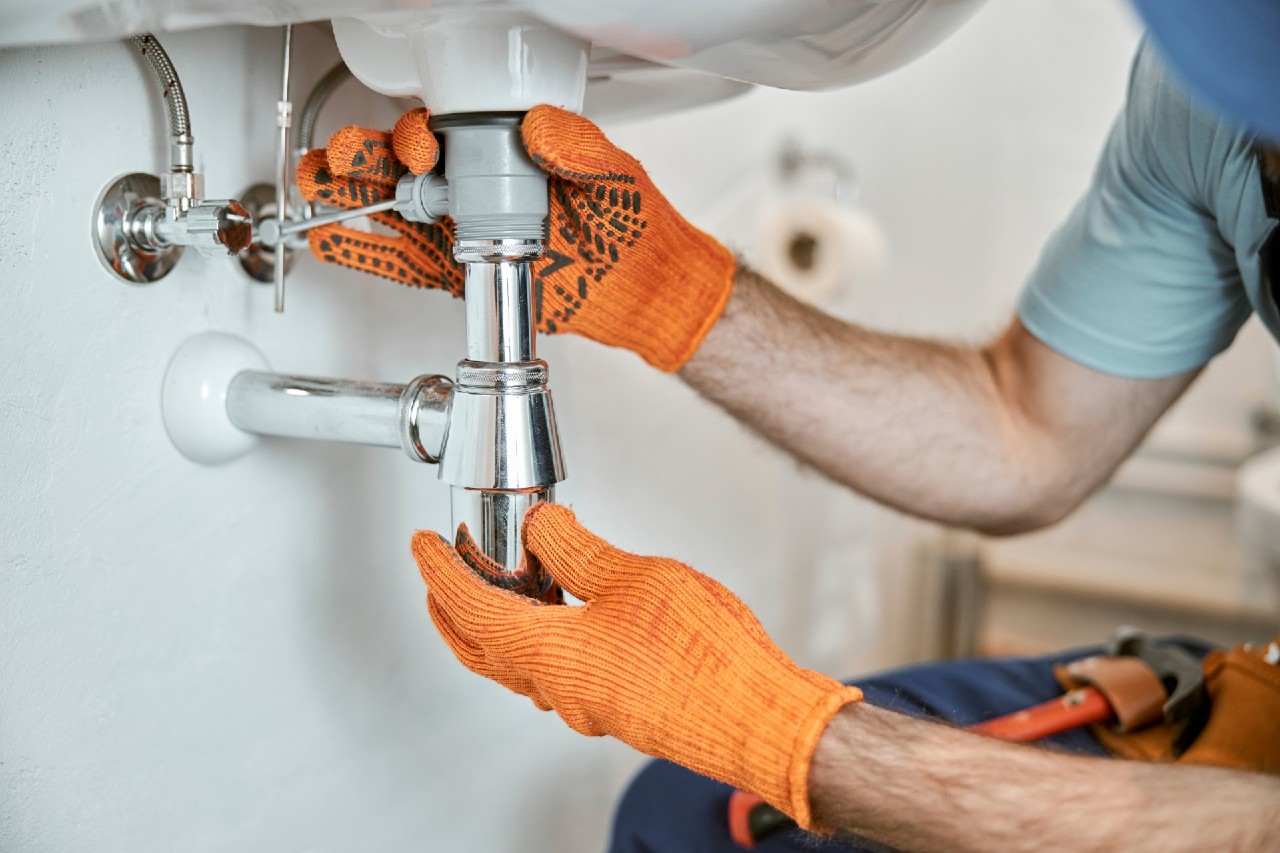
Some plumbing issues are straightforward to diagnose and fix. Others involve systems where an incorrect repair creates a safety risk or compounds the original damage. These are the situations that call for a certified technician.
- Repeated ignition failures on a propane water heater, or any issue involving gas pressure or combustion
- Electrical faults connected to the water heater control board or heating element
- Visible damage to the heating element or signs of corrosion inside the water heater compartment
- Persistent discoloration in your hot water after you have already flushed the tank
- A leak you cannot trace to a visible fitting or connection
- Loss of water pressure that does not resolve after checking the pump and its inline filter
- Any black water system issue beyond routine tank flushing and treatment
The common thread in this list is compounding risk. A gas combustion issue that goes undiagnosed does not stay contained. A control board fault that keeps tripping the breaker is telling you something about the system that a reset will not fix. Calling a professional at the right point protects both your rig and your travel plans.
On-Site RV Plumbing Service in the Tri-Cities: The Atlas Advantage
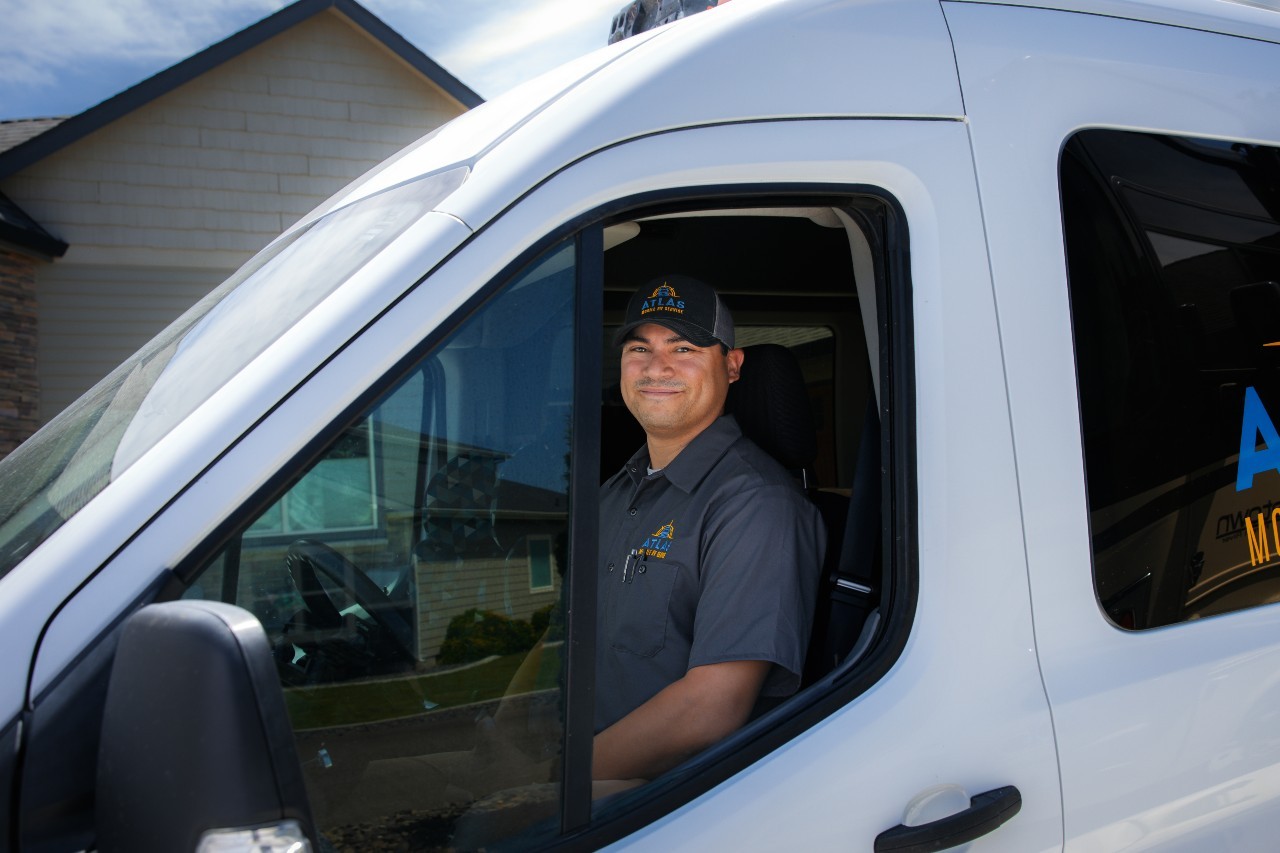
When a plumbing problem moves past what you can address yourself, the traditional path is towing your rig to a dealership service bay and waiting. The average dealership wait for RV repairs runs 34 days. That is 34 days your home-on-wheels is sitting idle instead of road-ready.
Atlas Mobile RV Service works differently. Our certified technicians come directly to your driveway, campsite, or storage lot. We serve the Tri-Cities area, including Kennewick, Pasco, and Richland, along with Yakima, Walla Walla, Benton City, Hermiston, and Umatilla. There is no towing, no unhooking, and no waiting in a service queue.
Our technicians bring hands-on expertise across water system diagnostics, appliance troubleshooting, and larger plumbing repairs. When you call Atlas, you are working with a technician who knows your rig’s systems and can assess the problem where it lives, not in a shop bay miles from where you park.
Keep Your Plumbing Road-Ready
Consistent maintenance handles the majority of RV plumbing problems before they become repairs. Annual tank flushes, regular inspections, proper winterization, and attention to the small signs of wear are what keep a plumbing system reliable across seasons and miles.
When something goes beyond routine upkeep, a certified mobile technician is the faster, more convenient path back to confidence on the road.
Ready to skip the shop? Atlas Mobile RV Service comes directly to your site in the Tri-Cities and surrounding areas. Book your on-site service today or call to schedule a plumbing inspection before your next trip.