
Picture this: you’ve packed the rig, loaded the cooler, and you’re ready to pull out of the driveway for the first big trip of the summer. Then something stops you. A warning light. A strange sound from the rooftop AC unit. A slide-out that won’t retract cleanly. What should have been an exciting morning turns into a frustrating delay, or worse, a breakdown two hours from home.
Summer in the Tri-Cities is no time to discover a maintenance problem. Kennewick, Pasco, and Richland regularly see temperatures climb well above 100°F, and that heat puts real stress on your AC system, your tires, and the sealants protecting your roof. The same conditions that make Eastern Washington a great place to travel from also make pre-season prep non-negotiable.
This RV maintenance checklist walks you through every major system to inspect before summer travel. Some items you can handle yourself. Others are worth a professional set of eyes. Knowing the difference is what keeps your trip on schedule.
In this post, you’ll learn:
- How to inspect and prep your RV air conditioner before the heat arrives
- What to look for on your roof, tires, slide-outs, and electrical system
- When a DIY check is enough and when to call a certified technician
- How Atlas Mobile RV Service can handle the hard parts without a dealership waitlist
RV Air Conditioning: Start Here
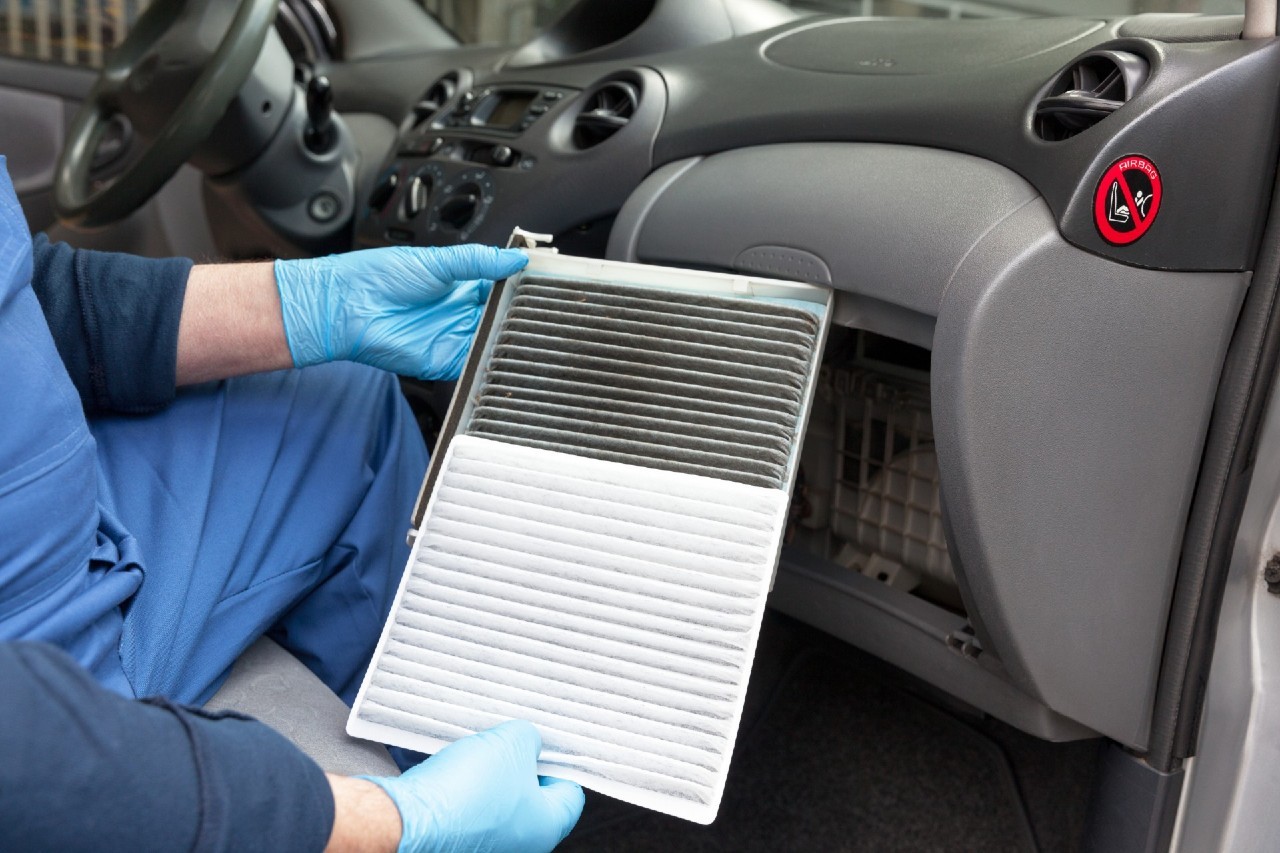
Your AC system is the most critical component for summer travel in the Pacific Northwest high desert. If it gives out on the road, your home-on-wheels becomes a rolling oven in a matter of hours.
Before your first trip, work through these steps:
- Clean or replace your air filters. A clogged filter restricts airflow and forces the unit to work harder than it should.
- Inspect the rooftop unit for debris, leaves, or anything blocking the intake.
- Check the AC cover for cracks or UV damage. The Tri-Cities sun is hard on plastic over time.
- Run the unit early in the season and let it cycle for 15 to 20 minutes. Listen for grinding or rattling sounds and confirm it’s cooling evenly.
Call a Pro: If the unit isn’t reaching temperature, makes unusual mechanical sounds, or you suspect refrigerant levels are low, a certified technician should inspect the electrical connections, clean the internal coils, check refrigerant pressures, and test airflow output. This is not a DIY repair.
Roof Inspection and Resealing
Summer UV exposure and temperature swings accelerate sealant breakdown faster than most owners expect. A small crack in the lap sealant around a vent or skylight can allow water intrusion that causes significant structural damage over time.
Walk your roof and inspect carefully:
- Look for cracks, gaps, or soft spots around vents, skylights, and the AC unit base.
- Check for spiderweb cracking or lifting in the lap sealant and gasket material around plumbing stacks.
- Note any areas where the sealant has pulled away from the surface entirely.
Plan to inspect your roof seals at least every 90 days. Catching degradation early is far less costly than addressing water damage after the fact.
Call a Pro: Soft spots, active leaks, or widespread sealant failure require professional resealing. Atlas Mobile RV Service includes a complimentary roof inspection with every service call, so you’ll know exactly what you’re working with before any repair begins.
Tires: Heat Is the Enemy
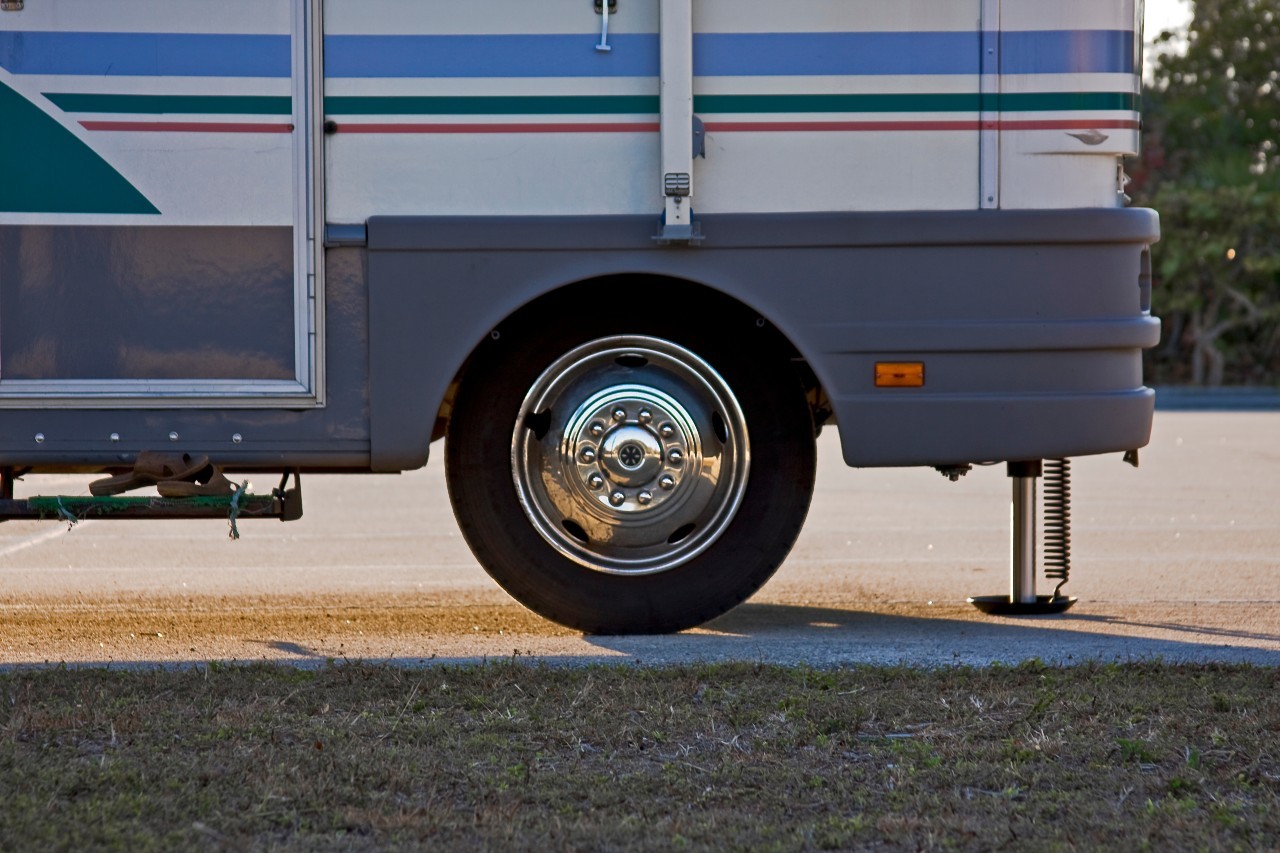
Heat amplifies tire pressure fluctuations and accelerates rubber compound degradation. A tire that looked fine in April may be a liability by July.
Before summer travel:
- Check PSI on all tires when cold, using the manufacturer’s load-inflation tables. For the most accurate reading, weigh your fully loaded RV at a scale.
- Inspect each tire for dry rot, sidewall cracks, and tread depth.
- Note the manufacture date on the sidewall. Tires should be replaced every 5 to 7 years regardless of remaining tread.
Call a Pro: Sidewall cracking, uneven wear, or tires approaching the 5-to-7-year mark warrant a professional assessment before a long trip. If a blowout does occur on the road, briefly accelerate to stabilize the rig, then reduce speed gradually, steer to a safe flat area, activate your hazard lights, and place reflective triangles. Call a mobile RV repair service rather than attempting to drive on a damaged wheel.
Slide-Outs and Seals
Slide-out seals take a beating from UV exposure, debris accumulation, and temperature swings over the winter and spring months. Dried or cracked seals allow water and air intrusion that compounds quickly.
Run your hand along each rubber slide-out seal and check for:
- Cracks, dryness, or sections that are peeling away from the frame
- Debris on the roof or slide surface that could tear the seal during retraction
- Areas where the seal has lost its flexibility entirely
Apply a quality seal conditioner two to three times per year to maintain pliability. Always clear debris from the roof and slide surface before retracting.
Call a Pro: Torn or severely dried seals should be replaced before summer travel. Water intrusion through a failed slide seal can damage flooring, walls, and cabinetry in a single wet season.
Electrical and Battery Systems
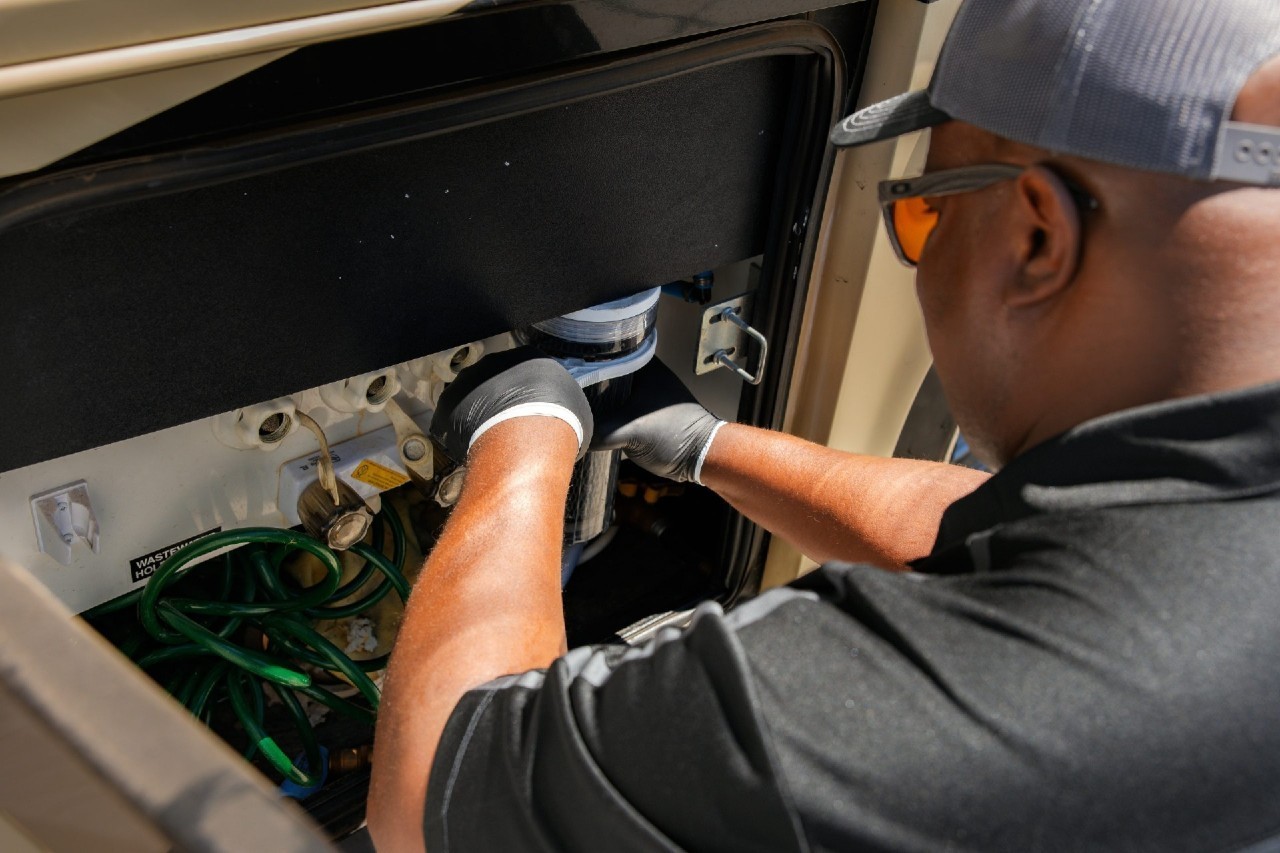
Summer travel puts higher demand on your 12-volt system. Running the AC, fans, and appliances off shore power or battery draws more than most owners account for during planning.
Before the season:
- Clean terminal corrosion with a water-and-baking-soda solution and a wire brush.
- Test battery voltage with a multimeter. A fully charged 12-volt battery should read 12.6 volts or higher.
- Top off distilled water in lead-acid batteries if levels are low.
- Verify all interior and exterior lights are functioning.
Call a Pro: Batteries that won’t hold a charge, or electrical systems behaving erratically, need a proper diagnostic. Chasing an electrical fault without the right equipment wastes time and can create safety risks.
Plumbing and Water Systems
After winterization, your water system needs a full flush and inspection before summer use. Antifreeze left in the lines affects taste and can damage certain components if not cleared properly.
Work through these steps:
- Flush all lines, including outdoor showers, until the water runs clear.
- Verify bypass valves are returned to their normal operating position.
- Inspect exterior plumbing connections and the water heater compartment for leaks, staining, or swelling.
- Run the water heater through a full cycle and confirm it reaches operating temperature without issue.
Safety Systems
These checks take ten minutes and belong on every pre-trip RV inspection checklist:
- Test smoke and carbon monoxide detectors and replace batteries if needed.
- Inspect propane connections and hoses for wear, cracking, or loose fittings.
- Confirm your fire extinguisher is fully charged and within easy reach.
Hit the Road with Confidence
Working through this RV maintenance checklist before summer travel is the difference between a trip that goes as planned and one that doesn’t. Most of these items are straightforward inspections you can complete in an afternoon. Others, particularly the AC system, roof resealing, and electrical diagnostics, benefit from a trained technician who knows what to look for.
That’s where Atlas Mobile RV Service comes in.
Book Your Summer RV Inspection with Atlas
For the items on this list that go beyond a quick check, Atlas Mobile RV Service brings expert, on-site service directly to your driveway or campsite across the Tri-Cities and surrounding communities, including Yakima, Walla Walla, Benton City, Hermiston, and Umatilla. No towing. No dealership waitlist. No 34-day delay.
Our certified technicians come to you, diagnose the issue on-site, and handle the repair the same visit whenever possible. Book your summer RV inspection online or call to schedule your on-site visit today.